August 11, 2026
Maintaining fresh interior flooring requires consistent attention, effective techniques, and a thorough understanding of how different fibers respond to various treatment solutions over time. Soft floor coverings accumulate dust, airborne pollutants, pet dander, and tracked soil that daily sweeping or routine vacuuming cannot fully extract from deep within the backing material. Selecting appropriate restoration procedures preserves fiber integrity, eliminates lingering odors, and extends the overall lifespan of textile floor coverings across residential spaces. According to ZipDo, 78% of homeowners consider regular carpet cleaning essential for a healthy indoor environment. Understanding the distinct advantages and operational mechanics behind each popular treatment approach helps property owners make informed decisions regarding home maintenance, sanitation standards, and long-term fiber care strategies for their living spaces and family members.
Understanding Hot Water Extraction Methods
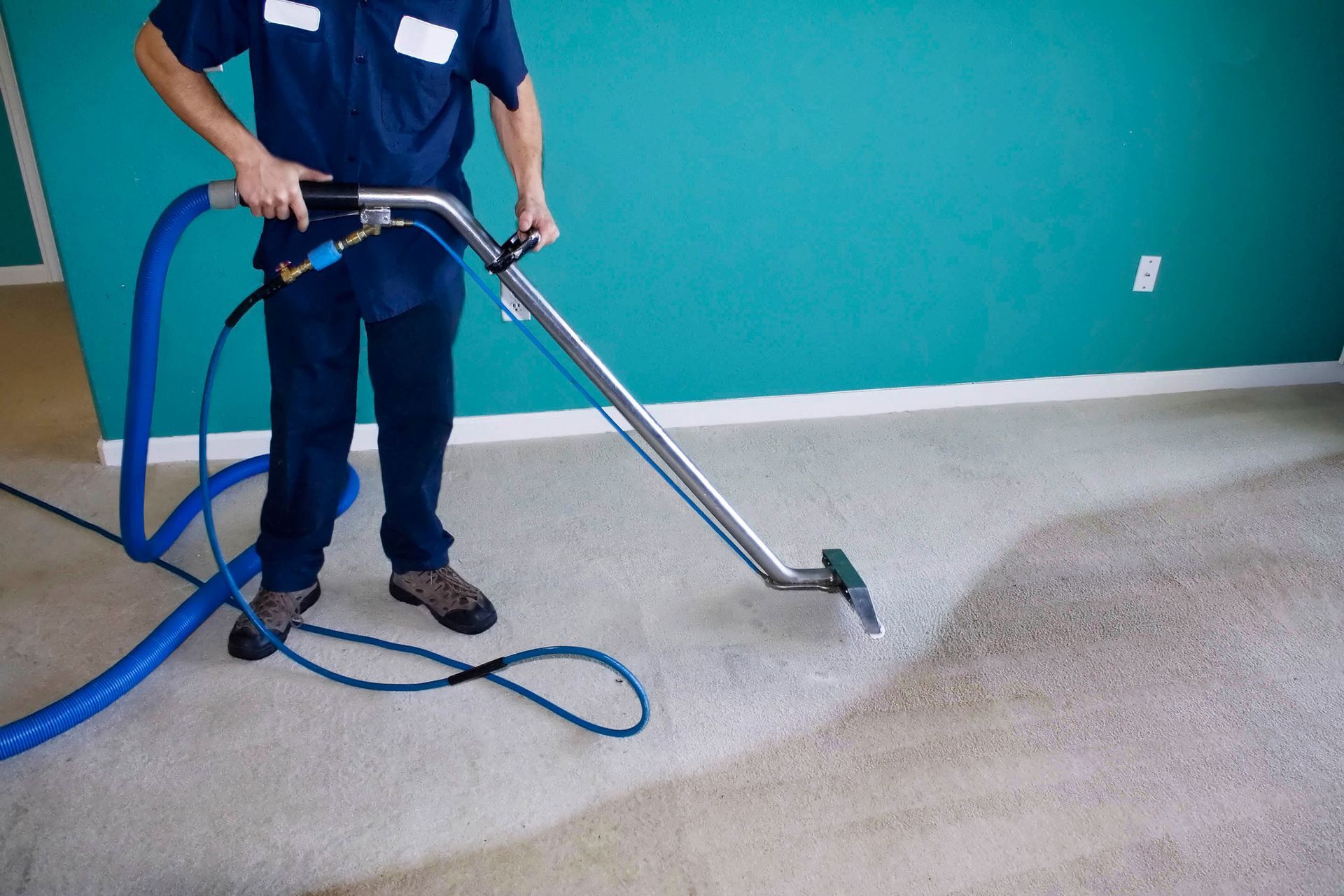
Deep soil extraction using heated moisture remains a widely recognized standard among modern textile restoration options because of its remarkable ability to penetrate deep into backing materials. This comprehensive process injects pressurized warm moisture mixed with specialized mild washing solutions directly into dense textile fibers to loosen stubborn debris, embedded grease, and trapped pollutants. High-powered vacuum suction immediately draws out the liquid along with dissolved soil particles, leaving minimal residual moisture behind when performed with professional equipment. Homeowners frequently prefer this deep washing technique for homes experiencing heavy foot traffic, pet accidents, or persistent allergen accumulation because high temperatures neutralize microscopic organisms while fully restoring flattened textile pile.
Proper execution of moisture extraction demands careful control over fluid pressure and drying conditions to prevent oversaturation within floor padding structures beneath the surface layer. Excessive fluid left behind can prolong drying cycles, potentially fostering mold development or causing backing breakdown if airflow remains restricted during recovery periods. Professional technicians utilize high-speed air movers and specialized neutralizing rinses to balance chemical residues, ensuring that treated surfaces remain soft, clean, and free from sticky soapy films. Regular application of deep extraction carpet cleaning revives fiber resilience, enhances color brightness, and maintains indoor air quality across heavily utilized living areas throughout every season.
Exploring Dry Compound Treatment Techniques
Low-moisture maintenance options offer convenient sanitation benefits for busy household environments where extended drying delays create operational disruptions or convenience challenges for family members. This specialized approach utilizes absorbent organic compounds or micro-sponges saturated with biodegradable solvents, water, and mild detergent agents distributed evenly across soiled textile surfaces. Mechanical brushes gently agitate the cleaning compound into individual fibers, allowing the porous material to absorb dissolved oils, surface grime, and deep grit from the pile. Once the compound completes its absorption phase, high-powered suction vacuuming removes the saturated particles, leaving the surface refreshed, sanitized, and dry almost immediately.
Property owners seeking fast turnaround times benefit immensely from dry compound carpet cleaning procedures because rooms remain accessible throughout the entire maintenance process without frustrating waiting periods. While this method excels at surface brightening and routine upkeep, severe deep-set spills or heavily saturated mud deposits may require supplementary liquid pre-treatments for complete soil removal. Utilizing specialized dry compound solutions minimizes the risk of carpet shrinkage, seam separation, or dye bleeding on sensitive natural fibers like wool or silk. Integrating low-moisture care routines alongside routine vacuuming preserves surface appearance while reducing overall mechanical stress on sensitive floor coverings in active households.
Examining Encapsulation Cleaning Systems
Advanced chemical encapsulation technology represents a highly effective modern approach designed to capture dirt particles within microscopic crystalline structures during routine maintenance routines across residential spaces. Polymer-based washing formulas are sprayed evenly over targeted textile areas before cylindrical counter-rotating brushes work the liquid deep into individual carpet fibers. As the specialized formula dries, it encapsulates surrounding dirt, oily residue, and microscopic debris, crystallizing the soil into tiny brittle particles that detach easily from fiber surfaces. Subsequent routine vacuuming effortlessly sweeps away the crystallized particles, preventing soil re-attachment and maintaining a noticeably cleaner appearance over extended periods.
The primary benefit of encapsulation technology lies in its ability to prevent rapid re-soiling caused by sticky soap residues often left behind by traditional shampoo formulas. Because the encapsulated polymers leave no tacky film upon drying, treated surfaces resist ambient dirt accumulation far longer than surfaces washed with standard detergents. Additionally, encapsulation uses minimal water, which translates into rapid drying times and reduced risk of subfloor moisture damage across residential settings. Incorporating regular encapsulation carpet cleaning procedures into a comprehensive home sanitation schedule maintains pristine visual appeal while protecting sensitive backing materials from moisture saturation and fiber wear.
Assessing Bonnet Cleaning Applications
Surface-level maintenance using rotary bonnet machinery provides quick cosmetic enhancement for commercial or residential floor coverings requiring immediate visual improvement before special events. A motorized rotary floor machine equipped with an absorbent cotton or microfiber pad saturated with washing solution spins gently over top fiber layers. The rotating pad absorbs surface-level grime, oil, and atmospheric dust while buffing the top edges of individual textile tufts to restore pile alignment. This fast-acting surface refresh works well for preparing entertaining spaces or maintaining high-visibility pathways between major deep extraction treatments.
Although bonnet treatment delivers rapid drying and immediate visual benefits, property owners should recognize that rotary action targets primary surface layers rather than deep backing materials underneath. Relying exclusively on surface buffing without periodic deep extraction allows heavy grit to settle near the carpet base, where sharp particles can abrade fibers over time. Combining surface bonnet polishing with seasonal deep soil removal creates a balanced maintenance plan, ensuring that professional carpet cleaning efforts maximize visual beauty while preventing hidden wear. Professional technicians carefully adjust machine weight and pad dampness to prevent fiber friction damage, ensuring safe and effective surface sanitation across all rooms.
Evaluating Foam Shampooing Approaches
Traditional foam shampooing techniques combine rich cleansing lather with mechanical brush agitation to break down tough greasy soils and embedded foot traffic stains in busy living spaces. Specialized machines generate dense whipped foam containing cleaning agents and optical brighteners, applying the airy mixture directly onto soiled textile surfaces with minimal liquid runoff. Rotating brushes work the whipped foam into the pile, lifting stubborn grime to the surface where it remains suspended within the lather. After the foam dries completely into a light powder, thorough vacuuming removes the trapped dirt alongside the dried shampoo residue.
Modern foam formulations have evolved significantly to reduce sticky residue issues that historical shampoo products occasionally produced on synthetic floor coverings over time. Today, specialized foam solutions dry into crisp non-tacky crystals that vacuum up easily without leaving behind dirt-attracting chemical films on treated fibers. This versatile method offers excellent localized stain removal capabilities while maintaining controlled moisture levels, making it a viable alternative for delicate floor coverings requiring extra caution. Selecting high-quality foam detergents and following thorough post-vacuuming procedures ensures bright, fresh, and deeply sanitized floor surfaces after every treatment session.
Selecting the most suitable method for carpet cleaning depends upon individual household needs, soil conditions, drying preferences, and specific fiber characteristics present throughout the home. Combining routine deep extraction treatments, low-moisture maintenance, and prompt spot removal protects financial investments while ensuring healthy, attractive living spaces for family members and guests alike. Implementing systematic carpet cleaning habits removes hidden allergens, neutralizes lingering odors, and preserves soft floor texture for years of comfortable daily use across every room. For comprehensive floor restoration and professional care tailored to your home, contact Dirty Dog Carpet, Surface and Duct Cleaning of Olathe.